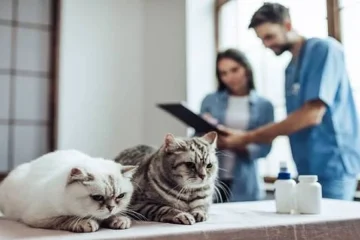
Why Veterinary Hospitals Focus on Holistic Pet Wellness
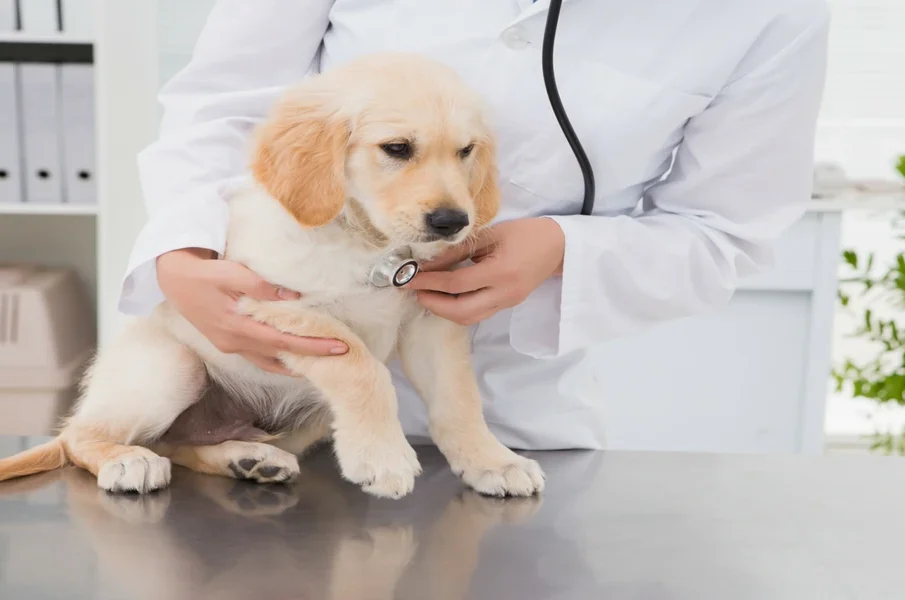
You might be noticing small changes in your pet before anyone else does. Maybe your dog seems slower on walks, your cat is eating less, or your pet just does not seem like themselves. That can leave you stuck between waiting it out and worrying that you are missing something important. When that uncertainty builds, it helps to understand why many veterinary teams, including those offering veterinary in Douglasville, GA, look beyond a single symptom and focus on the whole pet. In simple terms, Why Veterinary Hospitals Focus on Holistic Pet Wellness comes down to this. Pets do better when care supports prevention, behavior, nutrition, comfort, and early detection, not just treatment after a problem appears.
For many pet owners, the old model felt straightforward. Your pet got sick, you went to the animal hospital, and the goal was to fix the problem. But that approach can miss the quiet signs that come first. Weight gain, dental pain, stress, poor sleep, skin trouble, and changes in mobility often start small. If they are ignored, they can grow into larger health issues that cost more, hurt more, and take longer to manage.
Why does whole pet care matter before there is a crisis?
This is where a broader approach starts to make sense. A veterinary hospital is not only there for emergencies. It is also there to help you protect your pet’s quality of life over time. That means looking at routine exams, vaccines, parasite prevention, dental health, body condition, nutrition, exercise, and behavior as connected pieces of the same picture.
According to the AVMA, preventive veterinary care helps catch disease earlier and supports a longer, healthier life. That matters because many serious conditions do not begin with dramatic symptoms. Kidney disease, arthritis, dental disease, obesity, and diabetes can build quietly. By the time your pet clearly looks sick, the issue may already be harder and more expensive to manage.
So, where does that leave you? It means your pet’s annual or twice-yearly visit is not just a checklist. It is a chance to spot patterns. A veterinarian may notice muscle loss, subtle pain, plaque buildup, anxiety, or changes in heart and lung function long before they become obvious at home. That is one reason many hospitals now emphasize whole pet wellness instead of waiting for illness to force action.
What problems can happen when care only starts after symptoms show up?
When care becomes reactive, pet owners often face two kinds of stress at once. First, there is the emotional part. You may feel guilt for not noticing sooner, even when the signs were easy to miss. Second, there is the financial part. Treating an advanced illness usually costs more than preventing it or catching it early.
Think about a common example. A dog with extra weight may seem fine for months or years. But over time, those added pounds can strain joints, worsen pain, and raise the risk of other health concerns. Or consider a cat with dental disease. At first, the signs may be bad breath or slower eating. Later, that same issue can lead to pain, infection, and appetite loss. In both cases, early support through a trusted animal hospital can reduce suffering and limit bigger problems later.
There is also the behavior side, which many owners overlook. A pet that starts hiding, pacing, chewing, or acting out may not be “bad.” They may be stressed, uncomfortable, or unwell. A broader wellness plan makes room for those clues. That is one of the strongest reasons veterinary hospitals focus on pet wellness care rather than symptom care alone.
How does pet wellness care compare with waiting until something goes wrong?
Sometimes it helps to see the difference clearly. The table below shows how a proactive approach compares with reactive care.
| Approach | What It Usually Includes | Likely Outcome |
|---|---|---|
| Preventive care | Routine exams, vaccines, dental checks, parasite control, weight monitoring, nutrition guidance | Earlier detection, steadier health, fewer surprises, better long-term comfort |
| Reactive care | Visits only after limping, vomiting, appetite loss, skin issues, or behavior changes become obvious | Later diagnosis, more stress, higher treatment costs, longer recovery in some cases |
| Behavior aware care | Discussion of sleep, activity, anxiety, litter box habits, social changes, and home routines | Earlier insight into pain, stress, or illness that may not show up in lab work right away |
If you want a clear, owner-friendly overview of the responsibilities that come with keeping a pet healthy, the AVMA offers a helpful pet ownership guide. It reinforces a simple truth. Good care is not only about responding when something is wrong. It is about building habits that support health every day.
What can you do right now to support better care for your pet?
1. Start tracking the small changes.
Write down shifts in appetite, thirst, weight, energy, bathroom habits, sleep, and behavior. You do not need a perfect system. A note in your phone is enough. Those details can help a veterinary team connect dots that are easy to miss during a short visit.
2. Schedule routine visits before you feel urgency.
It is easy to postpone care when your pet seems mostly fine. But routine exams are often where early problems are found. If your pet is older, has ongoing health issues, or has had behavior changes, more frequent checkups may make sense.
3. Ask broader questions at the animal hospital.
Do not stop at the main complaint. Ask about dental health, weight, diet, movement, stress, and home routines. If your pet has become withdrawn, restless, or less playful, say that out loud. Those changes matter. They are often part of the larger picture behind veterinary hospitals’ focus on holistic pet wellness, even if the wording sounds clinical.
Why does this approach give many pet owners more peace of mind?
Because it replaces guessing with partnership. You do not have to carry every concern alone or wait until a problem becomes impossible to ignore. A strong wellness approach helps you make decisions sooner, with more clarity and less panic. It also reminds you that good care is not about perfection. It is about paying attention, asking questions, and giving your pet support at each stage of life.
Your pet depends on you for more than food and affection. They depend on you to notice, to act, and to keep building a plan that protects their comfort and health. If something feels off, or if it has simply been a while since your last visit, reach out to an animal hospital and schedule a wellness exam. That one step can give you answers, direction, and a little more peace.





-
How Mobile Veterinarians Evaluate Feeding Stations in Multi-Pet Homes
You fill one bowl, another pet noses in. You separate them, someone ... -
-
-
-
-
-