
Why Regular Checkups At Veterinary Hospitals Save Lives
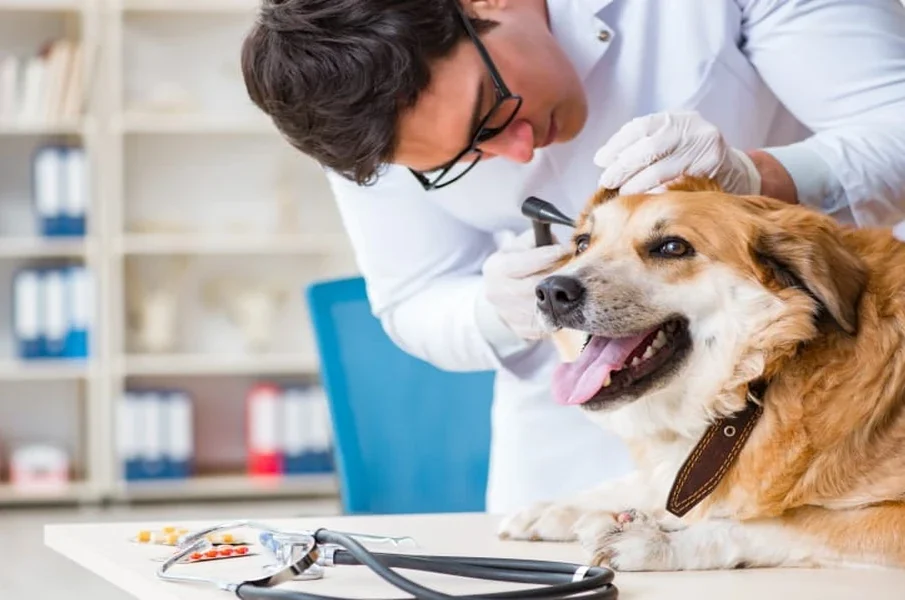
You might be feeling that quiet tension many pet owners carry. Your dog seems fine, your cat is still eating, and life is busy, so it is easy to think a checkup can wait. Then something changes. A limp lasts longer than expected, your cat starts hiding more, or your senior dog seems just a little slower, and suddenly you are wondering if you missed a sign. That worry is real, and it is one reason regular vet checkups matter so much. They often catch problems before your pet is in pain, before treatment gets harder, and before costs rise. In some cases, early detection can also help families prepare for more advanced care, including veterinary surgery in Fullerton CA.
The hard part is that pets are good at hiding illness. They do not tell you when their teeth hurt, when their kidneys are under strain, or when a small heart change is starting to affect their energy. By the time symptoms are obvious, the problem may already be advanced. Routine visits to a veterinary hospital create a pattern of care that helps spot changes early, which can protect both your pet’s health and your peace of mind.
Why do healthy pets still need regular visits to a veterinary hospital?
It is a fair question. If your pet looks healthy, why schedule an exam? Because prevention works best before there is a crisis. During a routine visit, a veterinary team is not only checking weight and temperature. They are looking at teeth, gums, skin, joints, eyes, ears, heart, lungs, and abdomen. They are also tracking trends over time. A small weight loss, a new lump, or a subtle shift in mobility can tell an important story.
For dogs, preventive care can include vaccines, parasite control, dental checks, lab work, and age based screenings. The goal is simple. Catch disease early and lower the risk of avoidable suffering. This overview from VCA explains why preventive health care is important for dogs and how routine care supports a longer, healthier life.
Cats need the same attention, even if they spend most of their time indoors. Many cat owners assume indoor cats are low risk, but cats often hide pain and illness better than dogs. Conditions like dental disease, thyroid issues, arthritis, and kidney disease can progress quietly. These preventive veterinary visits can make a major difference, especially when paired with the guidance in VCA’s preventive health care guidelines for cats.
What can go wrong when routine pet wellness exams are skipped?
So, where does that leave you if life gets busy and appointments keep sliding? Usually, it means small problems stay hidden until they become harder to treat. A mild dental issue can turn into infection and pain. Early kidney disease can go unnoticed until appetite drops and energy fades. A tiny skin mass that might have been easy to remove can become larger and more serious.
There is also the financial side. Emergency care often costs more than preventive care. When a condition is found late, treatment may involve imaging, surgery, hospitalization, or long term medication. That does not mean every illness can be prevented, because it cannot. But many can be managed better when caught early.
Age matters too. Pets age faster than people, which means months can make a bigger difference than many owners realize. According to the AVMA’s pet aging chart, pets age faster than humans, so a year between exams can represent major changes in health, especially for senior pets. What seems like a short delay to you may be a long stretch in your pet’s body.
How do regular checkups compare to waiting until your pet is sick?
Sometimes it helps to see the difference clearly. If you have ever wondered whether a routine visit is really worth it, this comparison shows why a veterinary hospital visit before symptoms appear often leads to better outcomes.
| Approach | What It Looks Like | Likely Outcome |
|---|---|---|
| Routine checkups | Scheduled exams, vaccines, dental review, parasite prevention, screening tests | Earlier detection, simpler treatment plans, less pain, more predictable costs |
| Wait for visible symptoms | Care begins after limping, vomiting, weight loss, behavior change, or lethargy appears | More advanced disease, higher stress, more expensive care, fewer treatment options |
| Senior pet monitoring | More frequent exams and lab work as your pet ages | Better management of arthritis, kidney disease, heart disease, and hormone changes |
This is the heart of the issue. A routine exam is not just a box to check. It is a chance to catch the quiet things before they become loud emergencies.
What steps can you take right now to protect your pet?
1. Put wellness exams on the calendar now.
Do not wait for a problem to remind you. Adult pets often benefit from yearly exams, and seniors or pets with chronic conditions may need visits more often. If your pet has not been seen in a while, making that appointment is a strong first move.
2. Start tracking small changes at home.
Watch appetite, thirst, weight, energy, bathroom habits, breathing, and behavior. You do not need a perfect system. A note on your phone is enough. These details help a veterinary hospital spot patterns that might otherwise be missed.
3. Ask about age based screening.
Puppies, kittens, adults, and senior pets all need different kinds of care. Blood work, dental evaluations, parasite testing, and mobility checks may be recommended based on your pet’s age and history. That is where a veterinary hospital becomes more than a place for shots. It becomes a partner in prevention.
Why does this matter so much over your pet’s lifetime?
Because the goal is not only to react when something is wrong. The goal is to give your pet the best chance at a longer, more comfortable life. Regular checkups build a health history, reveal subtle changes, and create space for early treatment when it can help most. They also give you something many pet owners need just as much as answers, which is reassurance that you are not missing something important.
If you have been putting off a visit, you are not alone, and you have not failed your pet. The next right step is simple. Schedule a wellness exam and start the conversation. A small appointment today can prevent a much harder day later.



-
How Mobile Veterinarians Evaluate Feeding Stations in Multi-Pet Homes
You fill one bowl, another pet noses in. You separate them, someone ... -
-
-
-
-
-


