How Mobile Veterinarians Evaluate Feeding Stations in Multi-Pet Homes
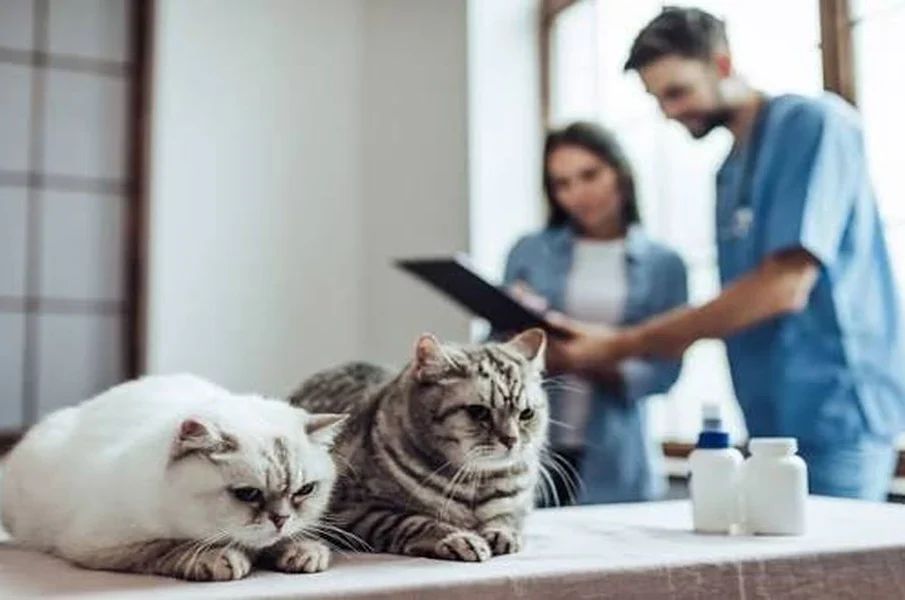
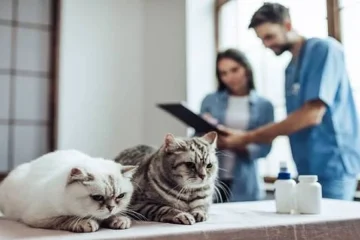
You fill one bowl, another pet noses in. You separate them, someone gulps too fast, someone walks away, and by the end of the day you are not even sure who ate what. In a multi-pet home, feeding can turn into a quiet source of stress, especially when one animal is gaining weight, another has allergies, and a third treats every meal like a race. That is usually the moment a feeding station stops being a simple setup and starts becoming a health issue, something Greater Monroe mobile veterinary services often helps families address.
A mobile veterinarian sees this in the place where it actually happens. That changes the evaluation. Instead of guessing from a description, they can watch traffic patterns, bowl placement, food storage, pet behavior, and the small routines that shape mealtime. How Mobile Veterinarians Evaluate Feeding Stations In Multi-Pet Homes comes down to safety, access, hygiene, and whether each pet can eat the right food in the right amount without pressure from the others.
Mobile veterinarians assess the home setup that clinic visits cannot fully reveal
Some feeding problems sound minor until they stack up. One cat steals the senior cat’s kidney diet. A large dog finishes first and hovers over a timid dog. Water bowls sit near litter boxes or in a cramped hallway where pets feel cornered. Dry food stays out all day, which seems easier, but it also makes portion tracking almost impossible. If your home feels like this, you are not overreacting. These details affect weight, digestion, stress, and medication plans.
A house call vet feeding station assessment usually starts with observation. The veterinarian looks at where each pet eats, whether they can approach the bowl calmly, and how much competition exists around food. They notice things owners often normalize because they happen every day. A pet that circles before eating may be anxious, not picky. A pet that refuses food in one room may not dislike the food at all. The location may feel unsafe.
Food type matters too. In many multi-pet homes, the problem is not only behavior. It is a mismatch. Puppies, seniors, pets on prescription diets, and overweight pets do not need the same thing. The veterinary team checks whether bowls are labeled, whether portions are measured, and whether treats are quietly undoing the plan. Guidance from VCA on feeding multiple pets reflects the same concern. Different pets often need separate feeding spaces and controlled access to prevent conflict and dietary mistakes.
Then there is sanitation. Bowls with dried food film, scoops stored inside kibble bins, and open bags near damp areas can all create risk. The CDC outlines basic pet food safety practices that apply directly here, including washing bowls and scoops regularly, storing food properly, and handling pet food with clean hands. In a crowded feeding area, poor hygiene spreads faster because multiple pets share surfaces and water sources.
Feeding station problems in multi-pet homes often combine behavior and health risks
The hard part is that feeding issues rarely stay in one lane. A cat that guards food may also be overweight. A dog that eats too fast may vomit, then seem hungry again, which leads to overfeeding. A diabetic pet that misses even part of a meal can throw off a treatment schedule. You may think the problem is stubborn behavior when the real issue is setup.
Mobile veterinary feeding evaluations often focus on patterns like these because the home environment tells the full story. If the feeding station sits beside a laundry machine that starts suddenly, a nervous pet may stop eating there. If all bowls are lined up shoulder to shoulder, tension can stay low for months and then flare when one pet gets sick or weaker. The arrangement that worked when all pets were young and healthy may not work now.
General hygiene matters around the whole area, not just the food bowl. The CDC also recommends sound hygiene practices around animals, including handwashing after handling pet items and keeping animal areas clean. In homes with children, older adults, or anyone with a weaker immune system, that routine becomes even more important.
Simple feeding setups and veterinarian-guided setups differ in key ways
| Feeding Station Factor | Typical DIY Setup | Mobile Veterinarian Evaluation |
|---|---|---|
| Bowl placement | Based on convenience or floor space | Based on stress, traffic flow, and species-specific behavior |
| Portion control | Estimated by eye or shared scoop | Measured by each pet’s age, weight, condition, and medical needs |
| Diet separation | Multiple pets may access the same food | Barriers, timed meals, or separate rooms to prevent food stealing |
| Sanitation | Bowls rinsed when they look dirty | Regular washing schedule, safe storage, and review of contamination risks |
| Behavior monitoring | Only obvious fights or skipped meals noticed | Subtle guarding, fear, pacing, and rushing identified early |
| Medical alignment | Setup may not match treatment plans | Feeding station adjusted to support medications and prescription diets |
Small changes to feeding stations can reduce conflict and improve health
1. Separate pets during meals. Use different rooms, baby gates, or vertical space for cats. This is one of the fastest ways to reduce food stealing and anxiety. For many families, mobile vet feeding station evaluation starts here because separation shows who is truly eating, how fast they eat, and whether appetite changes are real.
2. Measure every meal and label every bowl. Guessing creates drift. A little extra from one family member, a top off before bed, a handful of treats, and suddenly a weight problem makes sense. Use a dedicated scoop or gram scale, keep bowls assigned, and track prescription diets closely. This helps any mobile veterinarian make better recommendations because the baseline is clear.
3. Clean the station like it matters, because it does. Wash bowls and mats on a schedule, store food in a sealed container, and keep water fresh. Check the floor around the station too. Spilled kibble attracts pests and encourages scavenging. Clean feeding spaces are easier to monitor and safer for everyone in the home.
Better feeding stations give each pet a fair chance to stay healthy
You are not trying to create a perfect home. You are trying to make daily care manageable and keep every pet safe. That is exactly why in-home feeding reviews help. They turn vague stress into specific fixes, and those fixes are often simpler than expected once someone sees the full setup in person.
If mealtimes feel tense, confusing, or impossible to track, a mobile veterinarian can assess the feeding station where your pets actually live and eat, then help you build a plan that fits your home and your animals.


-
How Mobile Veterinarians Evaluate Feeding Stations in Multi-Pet Homes
You fill one bowl, another pet noses in. You separate them, someone ... -
-
-
-
-
-