
Betta Fighting Fish Near Me: Common Buyer Questions Answered
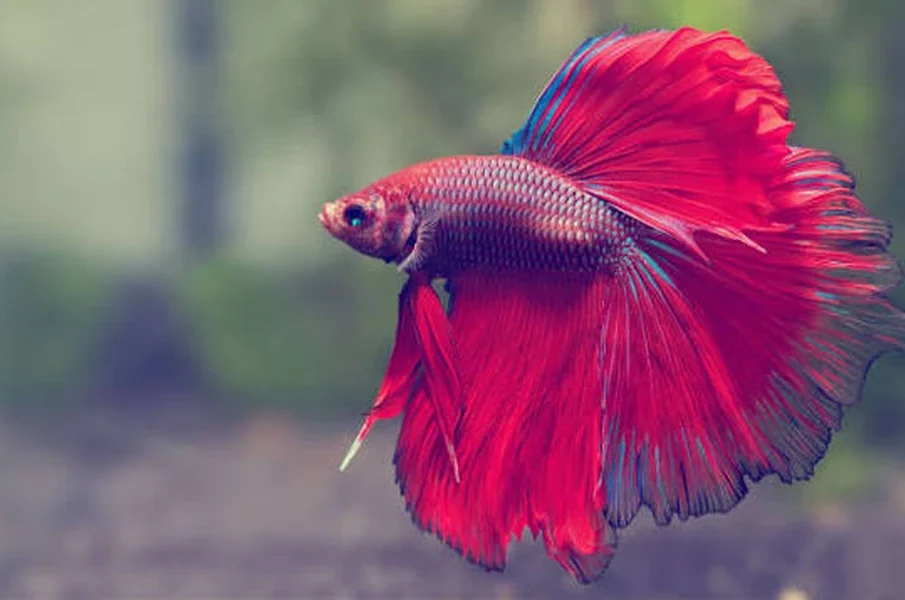
Searching for betta fighting fish near me is usually the first step for anyone considering this species, and it tends to raise a similar set of practical questions before purchase. Here are clear answers to the ones that come up most.
Is buying locally actually better than ordering online?
Buying from a local specialist gives you the chance to inspect the fish in person before committing, which is genuinely useful given how much health information comes from direct observation of fins, colour, and behaviour rather than a photo.
What should I bring or ask when visiting in person?
Ask about water parameters, how long the fish has been in stock, and whether it’s been observed eating. A knowledgeable seller should answer these confidently, and hesitation or vague responses are worth taking seriously.
How do I know a local seller is reputable?
Retailers offering betta fighting fish for sale near me who maintain visibly clean, well-organised systems with clear labelling and healthy-looking stock across their tanks are generally a safer bet than those with crowded, poorly maintained displays.
Should I set up my tank before or after visiting?
Before. A tank needs two to four weeks to cycle properly, and buying a fish before that process is complete puts unnecessary strain on the animal. Visit to compare options and prices, then buy once your setup is genuinely ready.
Do prices vary much between local sellers?
Yes, particularly for rarer colours and fin types. It’s worth comparing a couple of local options rather than buying from the first tank you see, though price shouldn’t be the only factor weighed against health and condition.
Can I reserve a specific fish before bringing my tank home is ready?
Many specialist sellers are happy to hold a specific fish for a short period once a deposit is made, which can be useful if you’ve spotted one you particularly want while your tank is still cycling.
What if the fish looks unwell after a few days at home?
Contact the seller promptly, as reputable retailers often offer guidance or, in some cases, a replacement if an issue emerges shortly after purchase and appears unrelated to your own setup.
Is it normal for colour to change after purchase?
Yes, to some extent. A betta fighting fish that’s been stressed by transport or a change in water conditions can appear temporarily duller than it did in the shop, and colour typically deepens again over the following one to two weeks as the fish settles and stress hormones subside.
How often should the tank be cleaned?
A full teardown clean is rarely necessary and can actually disrupt the beneficial bacteria a tank relies on. A weekly partial water change of around 25 percent, combined with light gravel cleaning, is generally sufficient to keep water quality stable without unnecessarily stressing the fish.
Do they recognise their owner?
Many keepers report that their fish learns to associate them with feeding time, becoming more active and swimming toward the front of the tank when approached. This is a learned response to routine and movement rather than recognition in a complex sense, but it does make for a noticeably more engaging pet than many people expect from a fish.
Can they live with a filter that’s too strong?
A betta fighting fish has relatively delicate fins and doesn’t cope well with strong water flow, which can cause exhaustion and stress over time even if water quality itself is fine. A filter with adjustable flow, or one baffled to reduce current, is generally a better choice than a standard filter designed for more robust species.
Is tap water safe to use?
Yes, provided it’s treated with a dechlorinator formulated for aquarium use, which neutralises chlorine and chloramine that would otherwise harm the fish. Most UK tap water is otherwise well within an acceptable range for this species once treated.
Do I need an air pump as well as a filter?
Generally no. A betta fighting fish breathes atmospheric air via its labyrinth organ and doesn’t rely on dissolved oxygen the way many fish do, so a gentle filter alone is usually sufficient without the additional current an air pump and stone would introduce.
What’s the biggest mistake new keepers make?
Skipping the tank cycling process is consistently the most common and most damaging mistake. It’s tempting to buy the fish first and sort the tank out afterwards, but doing so exposes a new fish to exactly the ammonia and nitrite spikes that a properly cycled tank is designed to prevent.
How should I transport a new fish home?
Keep the journey as short and direct as possible, since a small bag of water changes temperature quickly. Once home, float the sealed bag in your tank for around fifteen minutes before gradually mixing in tank water, rather than releasing a betta fighting fish straight into unfamiliar conditions.
Will every fish have the same personality?
No, and this is one of the more enjoyable surprises for new keepers. Some individuals are bold and inquisitive from day one, while others take a couple of weeks to become confident, and both patterns are entirely normal rather than a sign of differing health.
Is this an expensive pet to keep long-term?
Not particularly. Once a suitably sized tank, heater, and filter are in place, ongoing costs are limited to food, occasional water conditioner, and electricity, all of which are modest across a typical lifespan of two to three years.
Should I get advice from a specialist before buying?
It’s rarely necessary for straightforward cases, but if you’re unsure about tank size, water parameters, or compatibility with other fish, a specialist retailer stocking a genuine range of betta fighting fish options is generally well placed to answer specific questions before you commit to a purchase.
Can I use decorations from other tanks?
Only after a thorough clean and, ideally, a period of quarantine, since decorations moved between tanks can carry parasites or bacteria that pose little risk to a hardy species but can affect a more sensitive betta fighting fish. A quick rinse under tap water alone isn’t sufficient to eliminate this risk.
How do I know if my tank is properly cycled?
Consistent readings of zero ammonia and zero nitrite, alongside a measurable and gradually rising nitrate level, indicate that the beneficial bacteria colony needed to process fish waste safely has become established. Testing before introducing a fish gives a far clearer picture than waiting to see how the fish responds afterwards.
Is it worth keeping a spare heater or filter part on hand?
It’s a sensible precaution rather than a strict necessity. Equipment failure is uncommon but not impossible, and having a spare thermometer or filter part ready means a problem can be fixed quickly rather than leaving a betta fighting fish exposed to unstable conditions for longer than necessary while a replacement is sourced.
Taking a little time over the buying process, rather than rushing to the first available fish, consistently produces better outcomes for both the animal and the keeper.





-
6 Ways To Organize Medications After Your Pet Returns Home From The Hospital
You walk in the door with your pet, a discharge sheet, a ... -
-
-
-
-
-


