
5 Ways Veterinary Hospitals Triage Emergencies Faster
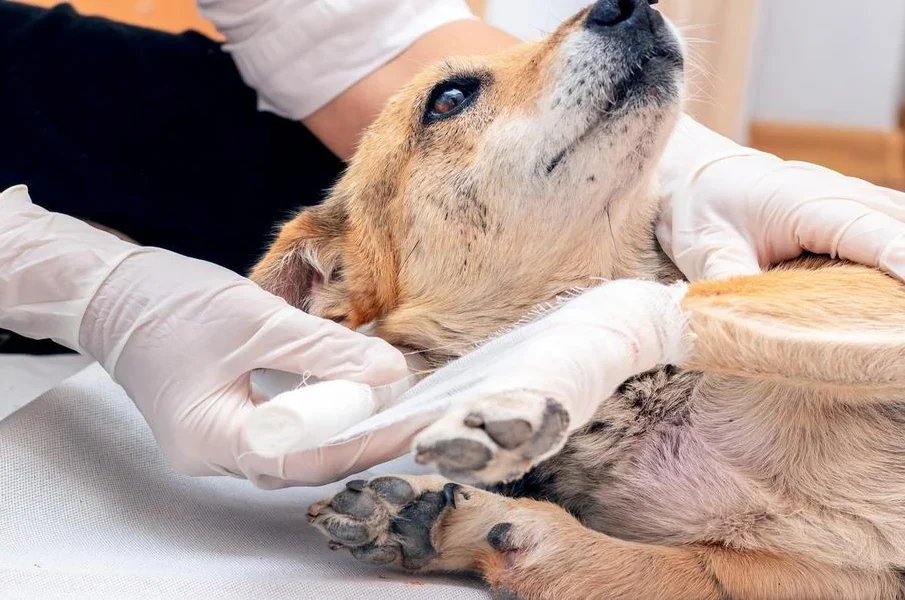
You might be feeling that awful mix of fear and urgency that hits when your pet is suddenly struggling, whether it is trouble breathing, collapse, bleeding, or pain that seems to come out of nowhere. One moment, your day feels normal. The next, you are grabbing keys, calling for help, and wondering how fast a veterinary clinic serving Montgomery County can actually act when every minute feels heavy. That stress is real, and it helps to know that emergency teams are built for exactly these moments.
The short answer is reassuring. Veterinary hospitals move faster in emergencies when they use trained triage teams, clear intake systems, rapid assessment tools, treatment zones, and strong communication. Those steps help pets get sorted by need, not by arrival order, which can make a life saving difference. If you have ever wondered how veterinary emergency triage really works, or what helps an emergency animal hospital respond quickly, there are a few key things worth knowing.
Why does emergency animal hospital triage feel so urgent when you walk in?
When you arrive at a hospital with a sick or injured pet, it can feel unsettling if another animal is taken back first. That moment can be hard, especially when your own pet looks miserable and scared. Because of this tension, you might wonder whether the staff sees what you see. In most cases, they do, and they are making fast medical decisions based on which patient needs immediate intervention.
Triage means a team quickly checks breathing, heart rate, temperature, blood flow, pain, mental status, and the nature of the injury or illness. A pet that cannot breathe well, is in shock, or is actively seizing will usually be moved ahead of a pet with a painful ear infection or mild stomach upset. That does not mean the second pet is unimportant. It means the hospital is trying to prevent the worst outcomes first.
Major teaching hospitals show this model clearly. Cornell’s emergency and critical care service, Washington State University’s small animal emergency and critical care team, and the University of Illinois’24 hour veterinary emergency service all center urgent assessment and rapid stabilization. That is the backbone of faster care.
What are the 5 ways veterinary hospitals triage emergencies faster?
1. They assess pets within minutes of arrival. The first speed advantage is not paperwork. It is eyes on the patient. Many hospitals train front desk staff and technicians to spot red flag signs right away, such as open mouth breathing in cats, pale gums, collapse, severe bleeding, or unresponsiveness. That quick handoff gets the pet to medical staff before the full check in process is even finished.
2. They sort by severity, not by who came first. This can be frustrating in the waiting room, but it saves lives. A dog hit by a car and a cat with urinary blockage need immediate intervention. A limping dog that is stable may safely wait a bit longer. This system is one of the most effective forms of faster emergency pet care because it puts resources where they matter most.
3. They use standing emergency protocols. Hospitals do not want to invent a plan under pressure. They rely on set protocols for shock, breathing distress, toxin exposure, seizures, trauma, and heat injury. That means oxygen, IV access, pain relief, bloodwork, and imaging can begin in a coordinated way instead of through guesswork.
4. They create treatment zones and dedicated roles. In a well run animal hospital, one person may place a catheter, another may draw blood, another may monitor oxygen, and the doctor may focus on diagnosis and stabilization. That division of labor cuts delay. It also reduces mistakes, which matters just as much as speed.
5. They prepare for larger scale emergencies. Not every crisis affects one pet at a time. Weather events, fires, disease concerns, and transport accidents can strain local systems. Guidance from the USDA on animal emergencies shows why planning and coordination matter. Hospitals that train for surge events often triage everyday emergencies better too, because the systems are already in place.
So, what slows emergency triage down, and what helps it move faster?
Sometimes the delay is not poor care. It is volume, case severity, or missing information. If you arrive without knowing what your pet may have eaten, when symptoms started, or what medications they take, the team may need extra time to piece things together. If your pet is frightened or aggressive because of pain, safe handling may take longer. If several unstable pets arrive close together, the queue changes fast.
On the other hand, speed improves when you call ahead, describe symptoms clearly, bring medication lists, and share possible toxin exposures. If your dog got into rat bait, if your cat has not urinated all day, or if your pet is breathing with effort, saying that right away helps staff prioritize correctly. That is not just helpful. It can change the first ten minutes of care.
How do these triage steps compare in real life?
It can help to see which hospital habits make the biggest difference once you are in that stressful moment.
| Triage practice | How it helps | What you may notice |
|---|---|---|
| Immediate visual screening at entry | Flags life threatening cases before check in is complete | A technician comes to the lobby quickly and takes your pet back |
| Severity based prioritizing | Moves critical patients ahead for stabilization | Arrival order does not match treatment order |
| Standard emergency protocols | Reduces hesitation during shock, trauma, or breathing crises | Oxygen, IV fluids, and monitoring start fast |
| Team based treatment roles | Allows several tasks to happen at once | Multiple staff members work on your pet together |
| Pre arrival communication | Lets the hospital prepare staff and equipment | You are asked to call from the car or give a symptom summary |
What can you do right now to help a veterinary hospital triage emergencies faster?
Call before you leave if you can. Give a short, clear summary. Say your pet’s species, age, main symptom, when it started, and any known injury or toxin exposure. If breathing is hard, say that first.
Bring the facts, not a long story. In a crisis, a concise timeline helps more than every detail. Bring medication bottles, photos of anything your pet may have eaten, and records if they are easy to access. If not, tell the team what you know and let them move.
Watch for true red flags. Seek urgent pet emergency triage help for trouble breathing, repeated seizures, collapse, major bleeding, blocked urination, severe trauma, or sudden weakness. Those signs usually should not wait for a routine visit.
When every minute matters, where does that leave you?
If your pet is in trouble, you do not need to have perfect calm or perfect information. You just need to act. Veterinary hospitals are designed to sort chaos into steps, and those steps, when done well, help pets get care faster and more safely. Even in a crowded waiting room, there is often a system working behind the scenes that is more organized than it looks from the outside.
If you think your pet is having an emergency, contact a local animal hospital right away and tell them the most urgent symptom first. That one call, made quickly and clearly, can help the team prepare before you even arrive.




-
How Mobile Veterinarians Evaluate Feeding Stations in Multi-Pet Homes
You fill one bowl, another pet noses in. You separate them, someone ... -
-
-
-
-
-


