How Animal Hospitals Provide Safe Anesthesia And Monitoring
You might be feeling torn between relief and worry. Your pet needs a procedure, maybe something routine, maybe something more serious, and the word anesthesia makes your chest tighten. That reaction is normal. For many people, the hardest part is not the treatment itself. At an animal hospital in Clermont, FL, it is handing over a pet you love and trusting that every breath, heartbeat, and small change will be watched with care.
Here is the short answer. How Animal Hospitals Provide Safe Anesthesia And Monitoring comes down to planning, skilled dosing, pain control, and close observation before, during, and after the procedure. A good animal hospital does not just “put a pet under.” It evaluates health risks, chooses drugs based on the pet in front of them, uses monitoring equipment throughout anesthesia, and adjusts quickly if anything changes.
Because of this tension, you might wonder what “safe” really means in a veterinary setting. No anesthesia is ever risk free, but safer anesthesia is built on systems, training, and preparation. That is what helps protect pets during surgery, dental work, imaging, and other procedures that require them to stay still and pain free.
Why does pet anesthesia feel so stressful, and what actually happens behind the scenes?
Part of the fear comes from not seeing the process. You drop your pet off, sign forms, and wait. In that gap, your mind can go to the worst places. What if my pet is older? What if they have heart disease? What if they react badly? Those are fair questions, and they are exactly why careful veterinary teams treat anesthesia as a step by step process, not a single event.
Before anesthesia starts, the hospital usually reviews your pet’s history, current medications, breed, age, weight, and exam findings. Bloodwork may be recommended to check organ function, blood sugar, red and white cell counts, and other markers that affect how drugs are processed. In some cases, chest x rays, ultrasound, or heart testing may also be advised. This is one of the main ways safe pet anesthesia and monitoring begins, by matching the plan to the individual animal rather than using one standard approach for every patient.
Then comes premedication. These medications help lower stress, support pain control, and often reduce the amount of anesthetic needed later. That matters, especially for pets who are frail, anxious, or medically complex. Once anesthesia is induced, a breathing tube is often placed to help protect the airway and deliver oxygen and anesthetic gas. From there, the team tracks key body functions continuously.
According to veterinary teaching hospitals like Virginia Tech’s anesthesia and pain management service and Washington State University’s anesthesia service, anesthesia care involves not only drug delivery but also pain management, advanced monitoring, and support for patients with routine and high risk needs. That is an important point. The goal is not just unconsciousness. The goal is stability, comfort, and a smooth recovery.
What are animal hospitals monitoring during anesthesia, and why does it matter so much?
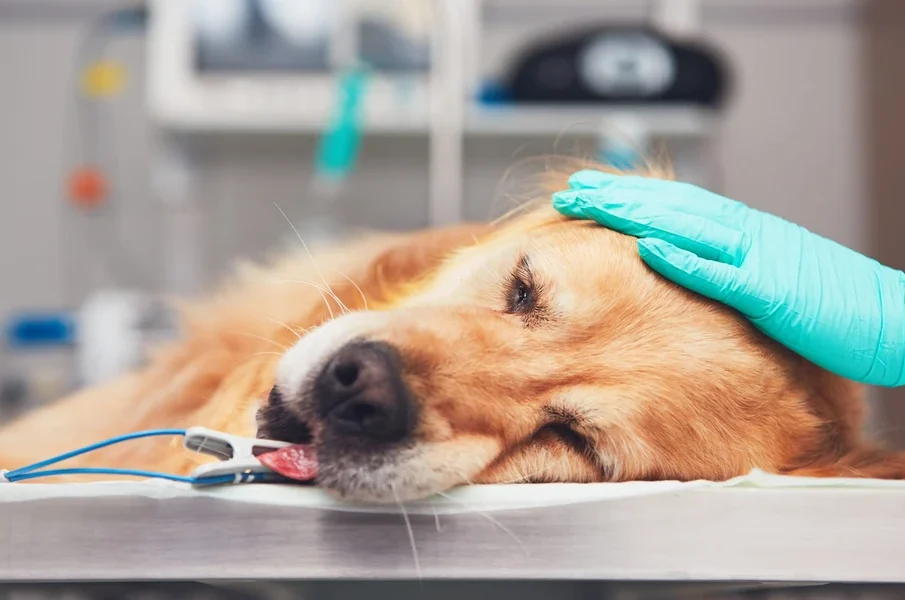
So, where does that leave you when your pet is in the treatment area? It helps to know what the team is watching. During anesthesia, veterinary professionals commonly monitor heart rate, breathing rate, blood pressure, oxygen levels, carbon dioxide levels, temperature, and anesthetic depth. They are also assessing things equipment cannot fully capture, such as jaw tone, eye position, pulse quality, and response to stimulation.
If a pet’s blood pressure drops, fluids or drug adjustments may be needed. If carbon dioxide rises, the breathing support plan may change. If body temperature falls, warming methods can be used. These are not small details. They are part of veterinary anesthesia monitoring, and they can make a real difference in outcome.
Recovery matters just as much. Many complications happen after the procedure if a pet is painful, cold, disoriented, or breathing poorly. That is why a strong animal hospital keeps monitoring in place until the pet is awake enough to protect their airway and maintain stable body functions on their own.
How do routine anesthesia and high risk anesthesia compare in an animal hospital?
Not every pet faces the same level of risk, and that is one reason clear communication matters. A young healthy dog having a short spay is different from a senior cat with kidney disease needing a dental extraction. The plan should reflect that difference.
| Situation | Common Concerns | How the Hospital Lowers Risk |
| Young, healthy pet for routine surgery | Unexpected drug sensitivity, temperature drop, pain control | Pre exam, weight based dosing, oxygen support, continuous monitoring, recovery checks |
| Senior pet | Heart strain, slower drug clearance, blood pressure changes | Pre anesthetic bloodwork, tailored drug choices, closer blood pressure tracking, slower recovery support |
| Pet with chronic illness | Kidney or liver stress, breathing issues, medication interactions | Case specific protocol, IV fluids when appropriate, advanced monitoring, pain plan adjusted to disease status |
| Emergency procedure | Less time to stabilize, active illness or injury, higher anesthesia risk | Rapid assessment, life support measures, focused monitoring, constant reassessment during and after anesthesia |
This is where the generic idea of an animal hospital becomes something more specific. The safest hospitals do not treat monitoring as a box to check. They treat it as an active process of noticing, interpreting, and responding.
What can you do right now to help your pet have safer anesthesia?
1. Ask what testing and monitoring are recommended.
You do not need to ask dozens of technical questions. Start simple. Ask what pre anesthetic tests are advised for your pet, who will be monitoring during the procedure, and what equipment is used. If your pet is older or has a health condition, ask how the anesthesia plan changes because of that.
2. Share every detail about your pet’s health.
Tell the hospital about coughing, vomiting, recent appetite changes, supplements, seizure history, and past reactions to medication. Even details that seem minor can affect anesthesia choices. If fasting instructions are given, follow them closely unless the team tells you otherwise.
3. Understand the recovery plan before the procedure day.
Ask how pain will be controlled, what signs to watch for at home, and when your pet can eat, drink, and move around safely. Good recovery guidance helps you catch problems early and keeps your pet more comfortable once they are back with you.
When you are trusting an animal hospital, what should give you peace of mind?
You are not overreacting by feeling nervous. Anesthesia asks for trust, and trust is easier when you understand the process. Safe anesthesia is built on thoughtful screening, patient specific drug plans, pain management, steady monitoring, and careful recovery support. That is how animal hospitals help reduce risk and protect pets through procedures both simple and complex.
If your pet needs anesthesia, pause and ask the questions that matter to you. Clear answers, a tailored plan, and attentive monitoring can tell you a great deal about the care your pet will receive.


-
6 Ways To Organize Medications After Your Pet Returns Home From The Hospital
You walk in the door with your pet, a discharge sheet, a ... -
-
-
-
-
-