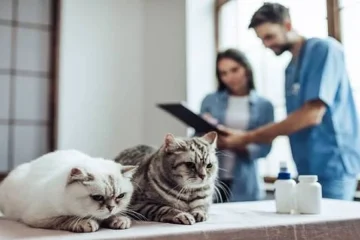
5 Essential Services Every Animal Hospital Provides
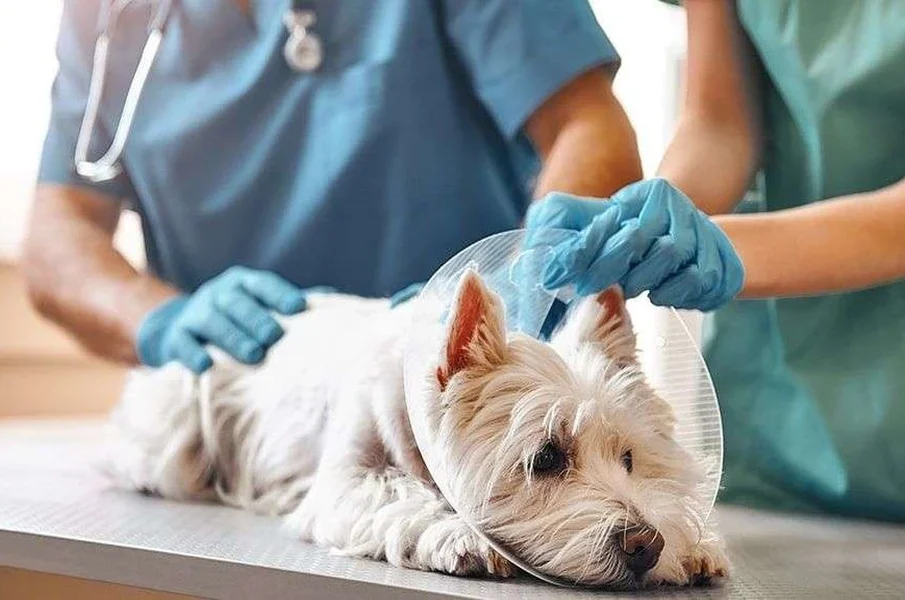
You might not think much about an animal hospital until the day you need one, and when that day comes, it can feel like everything changes at once. One minute your pet is eating breakfast, playing in the yard, or sleeping at your feet, and the next you are watching for signs, worrying about what they mean, and wondering how fast you need help. That stress is real, especially when you love your pet like family. The good news is that most animal hospitals, including a veterinarian in Baytown, TX, are built to support you through both routine care and urgent problems. In simple terms, the five services that matter most are wellness exams, vaccinations and prevention, diagnostics, surgery, and emergency care.
Because pets cannot explain what hurts, small problems can feel hard to read. A skipped meal, a limp, a new cough, or a change in behavior might be nothing serious, or it might be the first clue that your pet needs attention. So, where does that leave you? It helps to understand what an animal hospital does every day, and why those services matter before a problem turns into a crisis.
Why do wellness exams at an animal hospital matter so much?
Routine wellness visits are often the first line of care, and they do more than many pet owners realize. During an exam, a veterinary team checks weight, heart and lung sounds, skin, coat, teeth, ears, eyes, joints, and overall behavior. That may sound basic, but these visits often catch early signs of illness before symptoms become obvious at home.
Think about a pet that seems a little slower than usual. You might assume age is the reason, but an exam could point to arthritis, dental pain, or thyroid trouble. Catching those issues early usually means simpler treatment, lower cost, and less discomfort for your pet. Preventive visits also give you a place to ask questions about diet, behavior, parasite control, and changes you have noticed but were not sure were important.
How do vaccines and preventive care protect your pet and your home?
Vaccinations and parasite prevention are another core service at any veterinary hospital services provider. These steps help protect pets from diseases that can spread in parks, boarding facilities, neighborhoods, and even your own yard. They also help reduce risk to people in the home. If you want trustworthy public health guidance, the CDC offers useful pet and animal health information for families.
Prevention goes beyond shots. Flea, tick, and heartworm prevention can spare your pet from pain and can save you from larger treatment bills later. Deworming, fecal testing, and screening for common infectious diseases are also part of this picture. When an animal hospital builds a prevention plan around your pet’s age, lifestyle, and health history, care becomes more personal and more effective.
What happens when symptoms are unclear and you need answers fast?
This is where diagnostics come in, and it is one of the most useful services an animal hospital provides. Blood work, urinalysis, fecal exams, X rays, ultrasound, and other tests help a veterinary team look beneath the surface. Without diagnostics, treatment can become guesswork, and guesswork is hard on both pets and owners.
Imagine your dog is vomiting, your cat stops using the litter box, or your older pet suddenly seems disoriented. Those symptoms can point to many different problems, from infection to organ disease to a blockage. Testing helps narrow the cause so care can start quickly and with more confidence. If you want a broader view of clinical support and public health resources, the CDC also shares veterinary resources for care teams and animal health settings.
When does surgery become part of pet care?
Surgery is not only for major emergencies. Spay and neuter procedures, mass removal, wound repair, dental extractions, and other soft tissue surgeries are common in an pet hospital. Even when surgery is planned, it can feel heavy. You may worry about anesthesia, recovery, cost, and whether your pet will understand why they feel sore afterward.
That is why good surgical care includes more than the procedure itself. Preoperative testing, pain control, monitoring during anesthesia, and clear discharge instructions all matter. When those pieces are handled well, surgery becomes safer and recovery becomes less overwhelming for you and your pet.
What if the problem cannot wait until morning?
Emergency and urgent care may be the service people remember most because it often arrives during the hardest moments. Trouble breathing, seizures, collapse, severe bleeding, toxin exposure, and blocked urination are a few examples of issues that need quick action. In those moments, you do not want to waste time deciding whether care is available. You want a plan.
That is one reason emergency preparedness matters. The CDC provides practical guidance on pet emergency preparedness, which can help you think ahead about records, medications, travel supplies, and evacuation plans. When a crisis happens, even a small amount of preparation can lower panic and help you move faster.
How do these essential animal care services compare when you are planning ahead?
It can help to see these services side by side, especially when you are trying to budget, prioritize, or decide what to schedule first.
| Service | What It Helps With | Best Time to Use It | Risk of Waiting |
|---|---|---|---|
| Wellness exams | Early detection, routine monitoring, behavior and diet guidance | At least yearly, or more often for seniors and pets with health issues | Hidden illness may go unnoticed until symptoms worsen |
| Vaccines and prevention | Protection from infectious disease, parasites, and some public health risks | On a regular schedule based on age and lifestyle | Higher chance of preventable illness and larger treatment costs |
| Diagnostics | Answers for unclear symptoms through testing and imaging | When your pet shows new, persistent, or sudden changes | Delayed diagnosis and less targeted treatment |
| Surgery | Treatment for injuries, disease, dental issues, and reproductive care | When recommended after exam and testing | Condition may progress and become harder to treat |
| Emergency care | Immediate help for life threatening or severe problems | Any time urgent symptoms appear | Rapid decline, pain, or loss of life |
What can you do right now to feel more prepared?
1. Schedule routine care before there is a problem. If your pet is due for an exam, vaccines, or preventive testing, set that appointment now. It is easier to make calm decisions when you are not in the middle of a scare.
2. Keep a simple health record at home. Write down medications, vaccine dates, allergies, past surgeries, and any changes in eating, drinking, bathroom habits, or behavior. That information can help a veterinary team move faster and spot patterns.
3. Build an emergency plan. Know where your nearest animal hospital is, save the phone number, and keep a pet carrier, leash, and basic supplies ready. If your pet has a chronic condition, ask what warning signs should trigger urgent care.
When your pet needs help, what matters most?
What matters most is not knowing everything. It is acting when something feels off, asking questions early, and using the services that keep your pet safe through every stage of life. The best animal hospitals do not just treat illness. They help you prevent problems, understand choices, and respond with more confidence when the unexpected happens.
If your pet is due for care or you have noticed a change you cannot ignore, reach out to a local animal hospital and get guidance now. A small step today can spare your pet pain and give you peace of mind.




-
How Mobile Veterinarians Evaluate Feeding Stations in Multi-Pet Homes
You fill one bowl, another pet noses in. You separate them, someone ... -
-
-
-
-
-