
How Animal Hospitals Provide Comprehensive Wellness Care
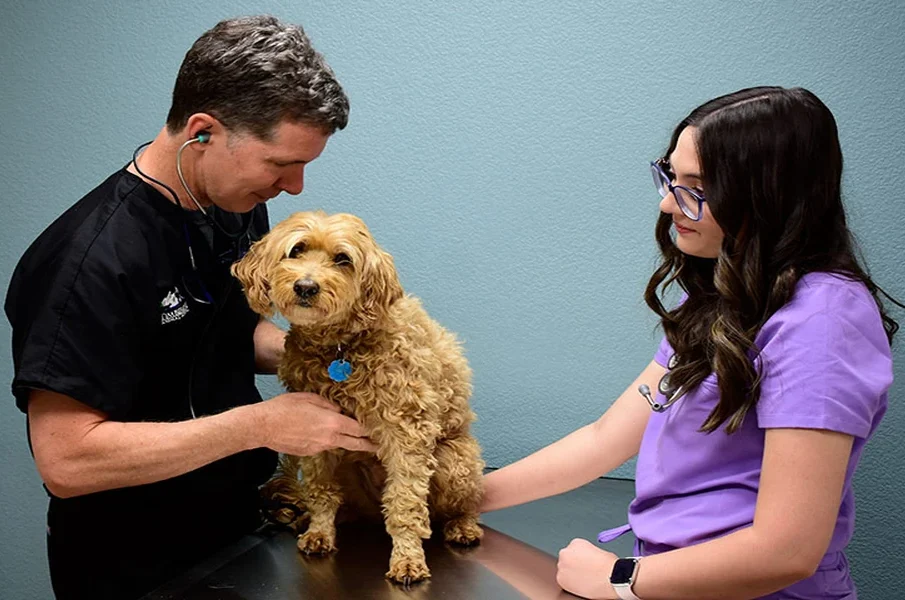
You might be noticing small changes in your pet and wondering what they mean. Maybe your dog is sleeping more than usual, or your cat seems fine one day and off the next. That uncertainty can sit with you, because pets cannot explain what hurts, what changed, or what they need. And when you care deeply, even a small shift in appetite, mood, or energy can feel bigger than it looks. In some cases, issues related to pet dentistry in Gardiner, ME may be part of those changes.
That is where regular wellness care matters. Good care is not only about treating illness after it shows up. It is about watching your pet’s health over time, catching concerns early, and helping you make steady choices that support a longer, healthier life. In simple terms, How Animal Hospitals Provide Comprehensive Wellness Care comes down to routine exams, vaccines, lab work, dental checks, nutrition guidance, parasite prevention, and age-based planning that fits your pet’s stage of life.
Why does routine pet wellness care matter before something goes wrong?
It is easy to wait until there is a clear problem. Many people do. But pets age faster than people, which means health changes can develop sooner than you expect. The AVMA pet aging chart helps show just how quickly dogs and cats move through life stages. Because of that, a year between visits can mean a lot.
When an animal clinic focuses on preventive pet care, the goal is to spot quiet issues before they become painful or expensive. A routine exam can reveal weight gain, dental disease, skin trouble, joint stiffness, heart changes, or early signs of illness that are easy to miss at home. You may only see your pet every day in the same setting. A veterinary team sees patterns, risk factors, and subtle changes that tell a larger story.
So, where does that leave you if your pet seems healthy? In a stronger position than you may think. Wellness visits build a baseline. Once your veterinarian knows what is normal for your pet, it becomes easier to recognize when something shifts.
What happens during an animal hospital wellness visit?
If you have ever felt unsure about what a visit includes, that is completely normal. Many pet owners assume it is just a quick look over, but a proper wellness appointment is much more thoughtful than that. At a well-run animal hospital, the visit often starts with questions about eating, drinking, movement, behavior, bathroom habits, and any changes you have noticed at home.
From there, your pet usually receives a nose-to-tail physical exam. That can include checking weight, body condition, eyes, ears, teeth, skin, coat, heart, lungs, abdomen, joints, and mobility. Cornell’s guide on what to expect during your appointment gives a helpful picture of how these visits often work.
Depending on age, breed, and health history, the veterinarian may also recommend vaccines, stool testing, heartworm screening, blood work, urinalysis, or dental care. This is one reason complete pet wellness services matter. They are not one single test or one annual shot. They are a set of connected tools used to protect your pet from preventable problems and to catch hidden ones early.
How do animal hospitals tailor wellness care for different life stages?
A puppy or kitten does not need the same care as a senior pet, and that difference matters. Younger pets often need vaccine series, parasite checks, nutrition support, and guidance on growth, behavior, and spay or neuter timing. Adult pets may need weight management, dental monitoring, and routine screening based on lifestyle. Senior pets often benefit from more frequent exams and lab work because age-related disease can move quietly.
What if your pet looks fine but has slowed down a little? Many owners assume that is just aging. Sometimes it is. Sometimes it is arthritis, thyroid disease, kidney changes, or dental pain. A veterinary wellness program helps sort out what is normal and what deserves a closer look.
What does preventive care at an animal clinic actually help prevent?
Quite a bit, especially when care is consistent. Preventive plans often reduce the risk of severe parasite issues, vaccine-preventable disease, untreated dental disease, obesity related illness, and delayed diagnosis of chronic conditions. The CDC also offers practical guidance on healthy pets and safe animal care, which can help protect both your pet and your household.
There is also the financial side, which many families quietly worry about. A planned exam and early treatment are often easier to manage than an emergency visit after a problem has grown. No one wants to think in those terms, but it is a real part of pet ownership, and planning ahead can ease some of that strain.
Which wellness care choices give you the clearest value?
Some services are easy to postpone because the pet seems comfortable. Still, certain basics tend to offer strong value because they catch common issues early or reduce major risk.
| Wellness Service | What It Can Catch or Prevent | Why It Matters |
|---|---|---|
| Physical exam | Weight changes, lumps, pain, skin issues, heart or lung concerns | Creates a baseline and finds visible or subtle changes early |
| Vaccinations | Common infectious diseases | Protects your pet based on age, risk, and lifestyle |
| Fecal and parasite testing | Worms and other parasites | Supports pet health and lowers household exposure risk |
| Blood work and urinalysis | Kidney disease, liver changes, diabetes, thyroid issues | Finds internal problems before clear symptoms appear |
| Dental assessment | Gum disease, tooth damage, oral pain | Helps prevent chronic pain and infection |
What can you do right now to support your pet’s wellness?
1. Track small changes at home. Write down changes in appetite, thirst, sleep, movement, bathroom habits, and behavior. Patterns help your veterinarian more than a vague sense that something feels off.
2. Schedule care by life stage, not only by symptoms. Puppies, kittens, adults, and seniors all need different timing and different screening. If your pet is getting older, ask whether more frequent visits make sense.
3. Ask for a prevention plan you can actually follow. The best plan is one that fits your pet and your budget. Ask which vaccines are most important, when lab work is recommended, and how to stay current on parasite prevention and dental care.
Your pet depends on you to notice when something changes, but you do not have to figure it all out alone. A trusted animal hospital can turn worry into a plan, and that can make everyday care feel much more manageable. With regular checkups, thoughtful screening, and age-based guidance, animal hospital wellness care helps protect the bond you share with your pet and supports a healthier road ahead.
If your pet is due for a visit, now is a good time to schedule an appointment with an animal clinic and get a clear picture of what they need next.




-
How Mobile Veterinarians Evaluate Feeding Stations in Multi-Pet Homes
You fill one bowl, another pet noses in. You separate them, someone ... -
-
-
-
-
-


