
Why Access To Urgent Care Is Vital For Senior Pets
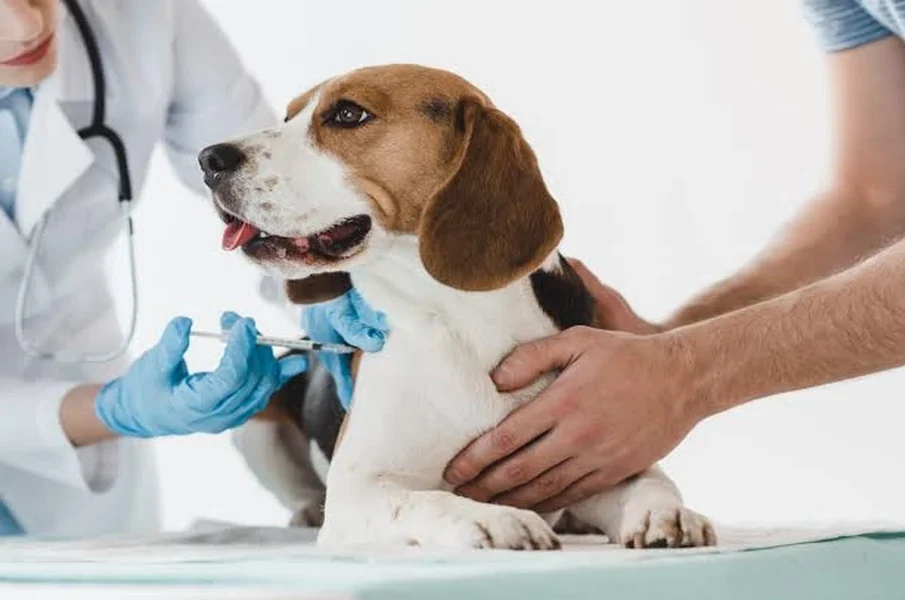
You know your older pet’s routines so well that even a small change stands out. Maybe your dog skipped breakfast for the first time in years, or your cat who always jumps onto the couch is suddenly staying on the floor. Senior pets rarely tell you something is wrong in a dramatic way. It often starts with subtle signs, and that is exactly why quick access to care matters-especially when guidance from a Horsham, PA veterinarian can help you respond early.
Aging pets have less reserve. They can go from “a little off” to seriously ill faster than younger animals, especially when pain, breathing problems, dehydration, or mobility issues are involved. Why access to urgent care is vital for senior pets comes down to one simple truth. Early treatment can reduce suffering, prevent a problem from getting worse, and sometimes save your pet’s life.
Senior pets decline faster when treatment is delayed
Older dogs and cats are more likely to live with arthritis, heart disease, kidney disease, diabetes, dental infections, and cognitive changes. Those conditions do not always cause an emergency on their own, but they can make a new illness hit harder. A bout of vomiting that a younger dog might bounce back from can leave a senior dog weak and dehydrated within hours. A limp may look minor until you realize your pet is avoiding weight because of severe pain or a hidden injury.
You may also be dealing with the mental strain of trying to judge the situation at home. Is this something that can wait for a regular appointment, or are you risking too much by watching and waiting? That uncertainty is exhausting, especially at night or on weekends when your usual veterinarian may be unavailable.
Urgent care fills the space between routine veterinary visits and full emergency hospitals. The difference between primary, urgent, and emergency veterinary care matters because it helps you act faster instead of losing time second guessing yourself. If your senior pet has sudden vomiting, diarrhea, limping, coughing, eye issues, minor wounds, pain, or a sharp change in behavior, animal urgent care may be the right level of help.
Subtle symptoms in older pets often point to bigger problems
The hard part with seniors is that the signs can look small at first. Your cat hides under the bed. Your dog pants more than usual. Your pet seems restless, weak, confused, or unwilling to eat. Those symptoms can reflect pain, internal illness, infection, breathing trouble, or a reaction to medication. Waiting to “see how it goes” can turn a manageable problem into a crisis.
That is why urgent care for senior pets matters so much. It gives you a place to go when the problem is real, your pet needs prompt attention, and you do not want to gamble on a delay. According to Texas A&M’s guidance on recognizing pet emergency signs, trouble breathing, collapse, repeated vomiting, seizures, and severe pain all demand immediate action. Senior pets are less able to compensate when those signs appear.
There is also a financial side to delay. Many families wait because they fear the cost of urgent evaluation, but postponing care often leads to more testing, more intensive treatment, and longer recovery. A same day exam for dehydration or pain can be far less expensive than hospitalization after the condition spirals.
Animal urgent care helps bridge the gap before a crisis
Routine veterinary care is still the foundation of healthy aging. Regular exams, lab work, dental care, and medication checks all lower risk. The American Veterinary Medical Association’s senior pet care guide explains how aging changes what pets need and why closer monitoring matters. Even with excellent preventive care, though, older pets still have bad days, sudden flare ups, and unexpected injuries.
Senior pet emergency care access is not only about true life threatening events. It is also about catching urgent problems before they become emergencies. If your dog with arthritis suddenly cannot stand, your cat stops using the litter box, or your pet seems disoriented after a medication change, prompt evaluation can lead to pain relief, supportive treatment, and a clearer plan.
Fast treatment and watchful waiting are not equal choices
| Situation | Watchful waiting at home | Prompt animal urgent care |
|---|---|---|
| Vomiting or diarrhea in a senior pet | Risk of dehydration, weakness, and worsening underlying disease | Exam, fluids, anti nausea treatment, and testing if needed |
| Sudden limp or trouble standing | Pain may increase, injury may worsen, fall risk rises | Pain control, imaging, and safer mobility guidance |
| Reduced appetite for more than a day | Can hide kidney issues, dental pain, infection, or nausea | Earlier diagnosis and treatment before weight loss and decline |
| Behavior changes such as hiding, confusion, or restlessness | Easy to dismiss as “old age” while illness progresses | Assessment for pain, cognitive issues, toxin exposure, or disease flare |
| Coughing or breathing changes | Can become dangerous quickly, especially with heart or lung disease | Faster triage and referral if emergency care is needed |
Three steps to take when your senior pet seems off
Track the change clearly. Write down when the symptom started, how often it is happening, whether your pet is eating, drinking, urinating, or having trouble walking. A short video of coughing, limping, or odd behavior can help the veterinary team assess the problem faster.
Do not assume it is just old age. Slowing down is common in older pets, but sudden changes are different. If your pet is in pain, not acting like themselves, vomiting, struggling to breathe, or refusing food, seek animal urgent care instead of waiting for the next routine opening.
Know your escalation signs. Head straight for emergency care if your pet collapses, has a seizure, cannot breathe normally, has a bloated abdomen, shows uncontrolled bleeding, or seems unable to wake up fully. Urgent care is appropriate for many same day concerns, but life threatening signs need emergency treatment without delay.
Quick access to care gives senior pets a better chance
Older pets depend on you to notice the quiet signs and act before those signs turn into a crisis. That can feel like a lot of pressure, especially when you are tired, worried, and trying not to overreact. Getting help early is not overreacting. It is often the kindest, safest choice you can make for a pet whose body does not recover as easily as it once did.
If your senior pet is suddenly not themselves, seek prompt evaluation through animal urgent care. Fast attention can ease pain, answer your questions, and give your pet the support they need when time matters most.




-
A Veterinary Hospital Visit For A Dog With Trouble Opening Its Mouth
You notice it when your dog reaches for a toy, drops a ... -
-
-
-
-


