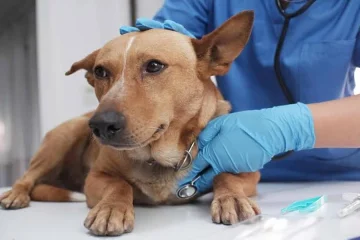
A Veterinary Hospital Visit For A Dog With Trouble Opening Its Mouth
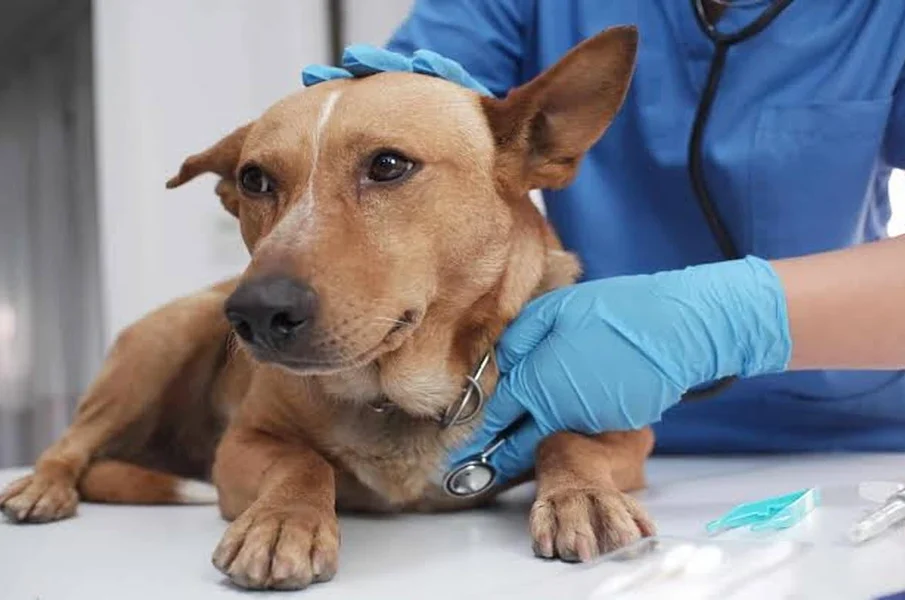
You notice it when your dog reaches for a toy, drops a treat, or turns away from the food bowl with that look that says something is wrong. A dog that cannot open its mouth normally is not being stubborn. It is often in pain, and that pain can come from the teeth, gums, jaw joint, muscles, a wound, or a problem deeper in the mouth. If you are thinking about a veterinary hospital visit for a dog with trouble opening its mouth, or looking for veterinary services in Whitinsville, you are already focused on the right thing. This is one of those problems that should not wait and see for long.
Some dogs still try to eat, which can make the problem easy to brush off for a day or two. Others drool, paw at the face, cry out when yawning, or stop chewing hard food. The pattern is the same. Mouth pain changes daily life fast, and it can get worse quietly. A prompt exam at a veterinary hospital helps sort out whether this is dental disease, an abscess, trauma, a lodged object, or a jaw disorder that needs treatment before your dog stops eating or becomes dehydrated.
Difficulty Opening the Mouth in Dogs Often Points to Pain or Injury
When a dog resists opening the mouth, the cause is rarely simple discomfort. Dental disease is common, especially advanced gum infection around the teeth. According to the MSD Veterinary Manual on periodontal disease in small animals, periodontal disease is one of the most common conditions seen in dogs, and severe cases can cause deep pain, infection, loose teeth, and swelling.
Other causes can be just as serious. A stick fragment can lodge in the roof of the mouth. A broken tooth can expose the nerve. An infection can spread into tissues around the jaw. In some dogs, the muscles used for chewing become inflamed, which makes opening the mouth sharply painful. Jaw fractures and temporomandibular joint problems can also limit movement. The overview of diseases of the mouth in small animals shows how wide the list can be, which is exactly why guessing at home tends to waste time.
You may be wondering if it can wait until the weekend passes or until your regular schedule clears up. That delay can matter. Dogs with mouth pain may eat less than they seem to, hide signs well, and swallow blood or discharge without making the problem obvious. By the time swelling appears on the face or under the eye, the issue is often advanced.
A Dog Mouth Pain Vet Visit Helps Prevent Worsening Problems
A dog mouth pain vet visit usually starts with a physical exam and a close look at the face, jaw, teeth, gums, and tongue. If your dog is painful or anxious, the veterinarian may recommend sedation to examine the mouth safely and fully. That is often the only way to find a fractured tooth, a pocket of infection, or a foreign object tucked far back in the mouth.
Some dogs need dental X rays because the worst damage sits below the gumline. Others need bloodwork before sedation, especially seniors or dogs with other health concerns. If the jaw itself is affected, skull or dental imaging may be part of the workup. This can feel like a lot in one visit, especially when you walked in hoping for a quick answer, but the mouth is small and problems hide easily there.
The owner side of this is stressful in a different way. You are trying to read your dog, make a decision quickly, and weigh cost against urgency. That is hard when symptoms seem vague. If your dog will not let you touch the face, cries when chewing, or suddenly refuses food, that is enough to justify care. The MSD guide to disorders of the mouth in dogs outlines many warning signs owners see at home, including drooling, bad breath, bleeding, trouble eating, and visible swelling.
Home Observation Versus Veterinary Hospital Care
| Situation | Home Observation | Veterinary Hospital |
|---|---|---|
| Mild reluctance with hard kibble | Can note appetite, drooling, and chewing changes for a short period | Can check for broken teeth, gum disease, oral wounds, and pain source |
| Won’t open mouth fully | Risk of missing jaw injury, foreign object, or deep pain | Exam, pain control, sedation if needed, imaging if indicated |
| Facial swelling or crying out | High risk to delay | Urgent assessment for abscess, fracture, severe infection, or trauma |
| Bad breath with drooling or blood | May suggest advanced dental or oral disease | Can identify infection, tooth root problems, masses, or ulcers |
| Trying to treat at home | Human pain medicine can be dangerous, forcing the mouth open can worsen injury | Safer diagnosis and treatment plan tailored to the cause |
Veterinary Hospital Care Gives You Clear Next Steps
Once the cause is found, treatment depends on the problem. Dental extractions may be needed for diseased or fractured teeth. Infections may need drainage, cleaning, and medication. Jaw injuries may need stabilization. Muscle or joint conditions may need a different plan entirely. This is why a generic root service like veterinary hospital care matters here. The goal is not only pain relief today. It is also preventing weight loss, worsening infection, and repeated pain every time your dog tries to eat or yawn.
Many owners feel guilty for not spotting it sooner. Dogs hide oral pain well. What matters now is acting on the signs you do see.
Three Steps You Can Take Right Away
Watch for eating and behavior changes. Note when the problem started, whether your dog avoids hard food, drops food, drools, paws at the mouth, or resists face handling. Those details help the veterinarian narrow the cause faster.
Do not force the mouth open or give human medication. A painful jaw, infected tooth, or lodged object can get worse with pressure. Many over the counter pain relievers for people are unsafe for dogs.
Book a prompt exam and switch to soft food until the visit. If your dog can still eat, offer softened food and water access. If your dog cannot eat, seems weak, has swelling, or cries when trying to open the mouth, seek urgent care the same day.
Early Care Can Spare Your Dog More Pain
If your dog is struggling to open its mouth, trust that sign. It usually means pain, and pain in the mouth tends to build rather than fade on its own. Canine trouble opening mouth treatment starts with finding the actual cause, and that happens best in a veterinary setting where the mouth can be examined safely and fully. Getting your dog seen soon can bring relief faster and prevent a small problem from turning into a much harder one.



-
A Veterinary Hospital Visit For A Dog With Trouble Opening Its Mouth
You notice it when your dog reaches for a toy, drops a ... -
-
-
-
-