Hospital Dentistry For Pets: When A Cleaning Becomes A Full Procedure
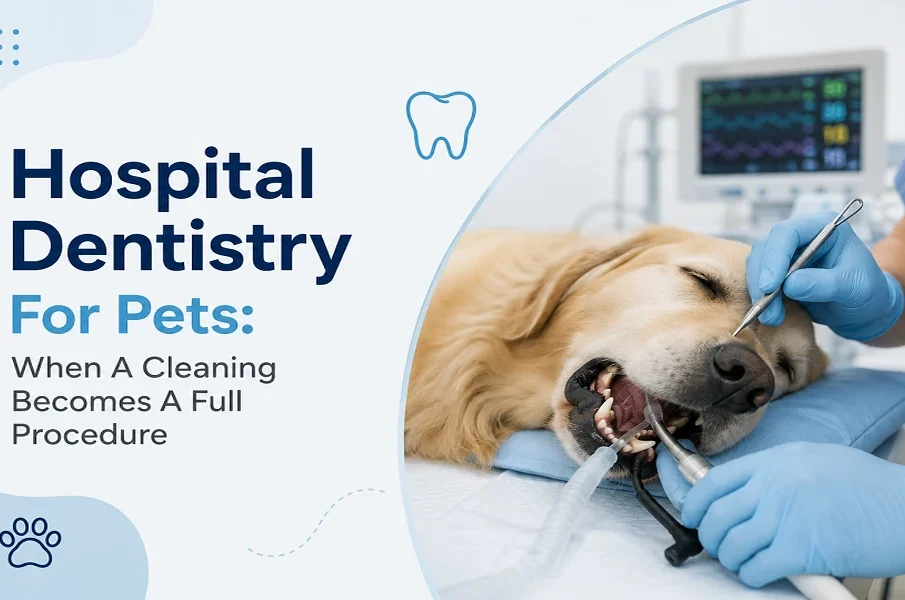
You might have expected a simple dental cleaning for your pet, a routine visit, a little plaque removed, and then home by dinner. Then the estimate changes, the word “anesthesia” comes up, dental X-rays are recommended, and what sounded simple starts to feel like a much bigger event. If that has left you uneasy, you are not overreacting. A veterinarian in Vestavia Hills can explain why pet dental care can shift quickly from a basic cleaning to a hospital-level procedure because the real problem often sits below the gumline, where you cannot see it.
That is the hard truth and also the reassuring one. A visible cleaning only tells part of the story. When your veterinarian recommends a full dental procedure, it is usually because they are trying to find pain, infection, loose teeth, bone loss, or hidden disease before it gets worse. In plain terms, Hospital Dentistry For Pets often means your pet is getting more careful care, not more care than they need.
Why can a pet teeth cleaning turn into a full dental procedure?
From the outside, your dog or cat may seem fine. They may still eat, play, and wag their tail or curl up in your lap like always. But pets are skilled at hiding pain. That is why a quick look in the exam room rarely tells the whole story. Tartar can cover fractured teeth, infected roots, or gum pockets that only become clear once your pet is under anesthesia and the mouth can be examined fully.
Because of this, a professional cleaning is often paired with dental probing and imaging. According to research on companion animal oral disease, periodontal disease is one of the most common health problems in dogs and cats, and much of it progresses out of sight. That means a pet who “just needs a cleaning” may actually need treatment for painful disease that has been building for months or even years.
So, where does that leave you? Usually with a decision that feels heavier than expected. A standard cleaning removes plaque and tartar. A full procedure may include anesthesia, IV support, dental X-rays, extractions, biopsy of suspicious tissue, pain relief, and close monitoring during recovery. That sounds like a lot, because it is. But it is often what makes the care safe and useful.
What hidden problems are veterinarians looking for during veterinary dental care?
The main concern is not bad breath. It is pain and infection. Periodontal disease can damage the gums, roots, and jaw support around the teeth. Cats may also develop tooth resorption, where the tooth structure breaks down and becomes very painful. Dogs can have fractured teeth that look minor on the surface but expose sensitive tissue below.
A recent study on veterinary dental imaging and oral assessment supports what many hospitals see every day. Important disease is often missed without full imaging and structured dental evaluation. In other words, if a procedure stops at visible cleaning, there is a real chance the painful part remains untreated.
There is also the question many owners quietly carry. Is anesthesia worth it? That concern makes sense. No one likes handing over a pet for a procedure they do not fully understand. But anesthesia allows the team to clean under the gumline, take proper X-rays, examine each tooth, and treat disease without fear, pain, or movement. A newer publication on veterinary anesthesia and dental outcomes adds to the evidence that careful hospital protocols can support safe, effective dental treatment when patients are screened and monitored properly.
When does pet oral surgery become the right call instead of a basic cleaning?
Sometimes the answer appears once the cleaning begins. A tooth may be loose. An X-ray may show root damage. A pocket of infection may extend deep below the gumline. In those moments, stopping with a cosmetic cleaning would leave the painful issue behind. That is when pet oral surgery, including extraction or treatment of diseased tissue, becomes the kinder option.
Think of it this way. If you had a cracked tooth with an infected root, you would not want the surface polished and the pain ignored. Your pet is no different, even if they cannot explain what hurts.
How does a routine cleaning compare with a full pet dental procedure?
It can help to see the difference side by side, especially when the estimate feels confusing.
| Type of Care | What It Usually Includes | Best For | Limits |
| Basic dental cleaning | Scaling and polishing, usually with general oral exam | Mild tartar and preventive care | May not detect disease below the gumline without X-rays and probing |
| hospital pet dentistry | Anesthesia, full oral exam, dental probing, X-rays, cleaning, treatment, extractions if needed, pain control, monitoring | Suspected periodontal disease, broken teeth, oral pain, advanced tartar, older pets, cats with resorptive lesions | Higher cost and more planning, though it often prevents repeat visits and untreated pain |
If your pet has chronic bad breath, drops food, paws at the mouth, chews on one side, or has red gums, a deeper procedure is often justified. Even pets with no obvious signs may still have hidden disease. That is why veterinary hospital teams lean on imaging and anesthesia-based care instead of appearances alone.
What can you do right now if your pet’s dental visit suddenly feels bigger than expected?
Ask what changed and why. You are allowed to want specifics. Ask whether the concern is tartar, gum disease, loose teeth, root damage, oral masses, or something else. Ask what they can only confirm under anesthesia. A clear explanation can turn fear into a plan.
Request the details of monitoring and pain control. If your pet needs a fuller procedure, ask about pre-anesthetic testing, IV fluids, monitoring, dental X-rays, local nerve blocks, and take-home pain relief. These details matter because they show how the hospital protects your pet before, during, and after treatment.
Plan for recovery and prevention. Once the urgent issue is addressed, ask what home care makes sense. That may mean brushing, dental diets, rinses, chews, or scheduled rechecks. The goal is not just getting through one procedure. It is lowering the chance that the next cleaning turns into another major event.
What should you remember before you say yes to veterinary hospital dental treatment?
If a cleaning has become a fuller procedure, it does not mean anyone misled you. It usually means the mouth is telling a bigger story than anyone could see at first glance. Dental disease in pets is common, painful, and often hidden, and a proper hospital-based approach gives your pet the best chance at real relief instead of a temporary cosmetic fix.
You do not have to love the surprise, the cost, or the worry for this to still be the right step. What matters most is that your pet gets care that matches what is actually happening in their mouth. If your veterinarian is recommending a full dental workup, ask your questions, get clear on the plan, and move forward with confidence when the answers make sense.




-
Hospital Dentistry For Pets: When A Cleaning Becomes A Full Procedure
You might have expected a simple dental cleaning for your pet, a ... -
-
-
-
-