
Fresh Dog Food vs Kibble: What’s the Real Difference and Which Is Better?
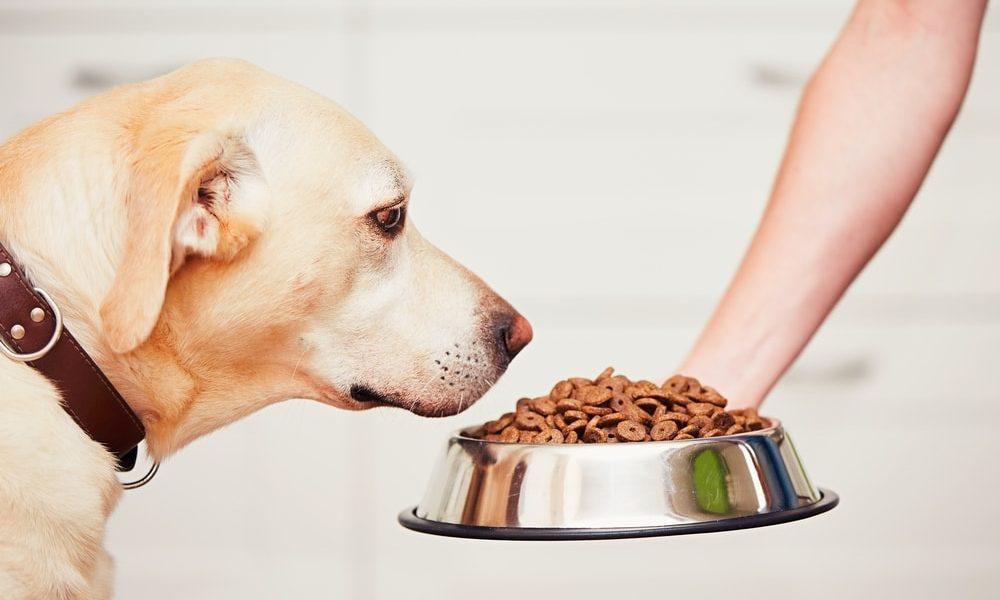
Walk down any pet food aisle and you’ll see shelves packed with colorful bags of kibble—but in recent years, a new option has been gaining serious traction: fresh dog food.
If you’re trying to decide between fresh dog food and kibble, you’re not alone. It’s one of the most common questions modern pet parents ask—and for good reason. What your dog eats directly impacts their digestion, energy levels, coat health, and even lifespan.
So how do these two options really compare?
Let’s take a closer look at fresh dog food vs kibble, breaking down the differences in ingredients, nutrition, cost, and overall health impact.
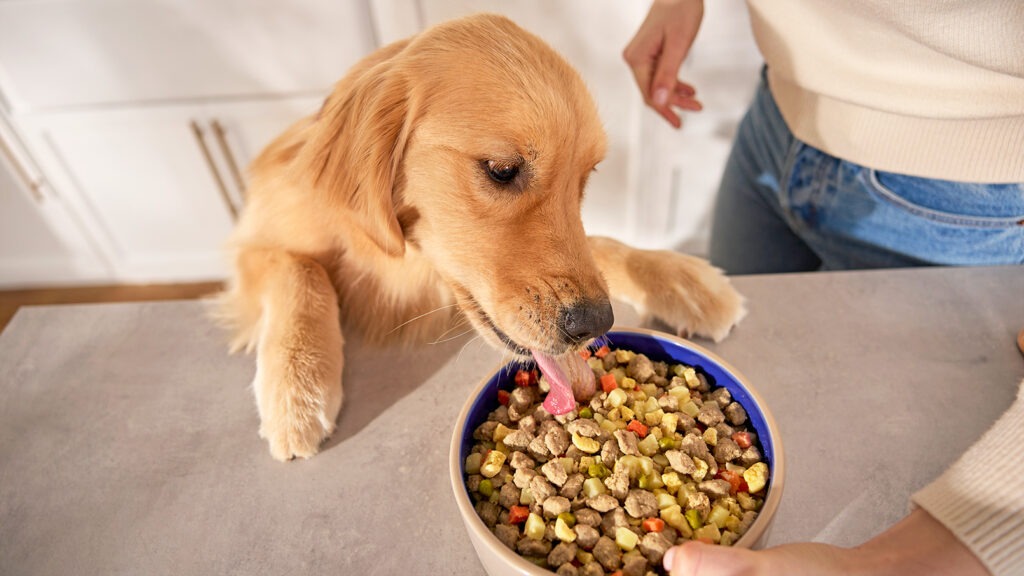
What Is Kibble Dog Food?
Kibble is dry dog food that’s made through a process called extrusion. Ingredients are ground, mixed, and cooked at high temperatures before being shaped into pellets.
Most kibble is designed to be:
- Shelf-stable for long periods
- Affordable and convenient
- Nutritionally “complete” based on minimum standards
However, the high-heat processing used to make kibble can affect ingredient quality and nutrient retention.
What Is Fresh Dog Food?
Fresh dog food is made from whole, minimally processed ingredients like real meat, vegetables, and grains. It’s gently cooked at lower temperatures to preserve nutrients and typically stored refrigerated.
Unlike kibble, fresh meals often:
- Contain recognizable, real-food ingredients
- Skip artificial preservatives and fillers
- Are portioned based on your dog’s needs
Some companies offer customized meal plans and deliver fresh food directly to your door, making it easier than ever to switch.
Ingredient Quality: Real Food vs Processed Inputs
One of the biggest differences between fresh dog food and kibble comes down to ingredient quality.
Kibble:
- Often includes meat meals or by-products
- May contain fillers like corn, wheat, or soy
- Uses preservatives to extend shelf life
Fresh Dog Food:
- Uses whole cuts of meat and vegetables
- Avoids artificial additives
- Focuses on transparency and simplicity
According to the Association of American Feed Control Officials (AAFCO), both fresh food and kibble can meet basic nutritional standards—but how those nutrients are delivered matters.
“Nutrient bioavailability is just as important as nutrient content,” notes veterinary nutrition research published in the Journal of Animal Science.
In simpler terms: it’s not just what’s in the food—it’s how well your dog can absorb it.
Nutritional Value and Digestibility
Kibble is cooked at extremely high temperatures (often over 300°F), which can degrade certain vitamins and enzymes. Manufacturers often add synthetic nutrients back in after processing.
Fresh dog food, on the other hand, is gently cooked to retain more natural nutrients.
Why this matters:
- Better nutrient absorption
- Less reliance on synthetic additives
- Improved digestion
A growing body of research suggests that minimally processed diets may lead to higher digestibility in dogs, meaning they get more out of every bite.
Digestion and Gut Health
If your dog struggles with gas, loose stools, or inconsistent digestion, their food could be playing a role.
Kibble digestion:
- Can be harder to break down due to processing
- Often includes fillers that pass through the system
Fresh food digestion:
- Easier on the stomach
- Typically results in smaller, firmer stools
- Supports a healthier gut microbiome
Many pet owners report noticeable improvements in digestion within weeks of switching to fresh meals.
Energy Levels and Overall Vitality
Nutrition fuels everything—from your dog’s daily walks to their long-term health.
Kibble often relies on carbohydrates as a primary energy source, which can lead to spikes and crashes in energy.
Fresh dog food provides:
- Balanced proteins and fats
- More stable energy throughout the day
- Improved stamina and activity levels
It’s not uncommon for dogs to appear more alert and playful after transitioning to a fresh diet.
Skin, Coat, and Allergy Considerations
Skin issues are one of the top reasons pet owners reconsider their dog’s diet.
Kibble:
- May include common allergens like corn or soy
- Can lack sufficient natural fatty acids
Fresh food:
- Rich in omega-3 and omega-6 fatty acids
- Free from many common irritants
- Often leads to shinier coats and reduced itching
According to veterinary dermatology studies, diet plays a significant role in managing skin conditions in dogs—especially when food sensitivities are involved.
Convenience and Storage
This is where kibble still has a clear advantage.
Kibble:
- Easy to store at room temperature
- Long shelf life
- No preparation required
Fresh dog food:
- Requires refrigeration or freezing
- Needs to be served in portions
- Shorter shelf life once opened
That said, many fresh food brands have streamlined the process with pre-portioned meals and delivery services. For example, some providers offer customized plans that arrive ready to serve, reducing the hassle significantly.
Cost Comparison: Is Fresh Dog Food More Expensive?
Let’s address the elephant in the room—price.
Kibble:
- Typically costs $1–$3 per day for an average dog
- Widely available at various price points
Fresh dog food:
- Can range from $3–$10 per day depending on size and plan
- Higher upfront cost but potentially higher quality
While fresh food is more expensive, many pet owners view it as an investment in their dog’s health.
Some even report fewer vet visits and reduced spending on supplements or medications over time.
Safety and Transparency
Food safety and transparency are becoming increasingly important for pet parents.
Kibble:
- Ingredient sourcing can be unclear
- Labels may be difficult to interpret
Fresh dog food:
- Clear ingredient lists
- Often human-grade sourcing
- Greater transparency in production
This transparency helps owners feel more confident about what they’re feeding their pets.
Which Option Is Better for Your Dog?
The truth is, both fresh dog food and kibble can meet basic nutritional requirements—but they offer very different experiences in terms of quality, digestibility, and overall health impact.
Fresh dog food may be better if you want:
- Higher-quality, whole ingredients
- Improved digestion
- Better skin and coat health
- More personalized nutrition
Kibble may be better if you need:
- A budget-friendly option
- Maximum convenience
- Long shelf life
Ultimately, the best choice depends on your dog’s specific needs—and your priorities as a pet parent.
Making the Transition
If you’re thinking about switching from kibble to fresh dog food, it’s important to do it gradually.
A typical transition plan looks like this:
- Start with 25% fresh food and 75% kibble
- Increase to 50/50 after a few days
- Move to 75% fresh food
- Fully transition within 7–10 days
This helps avoid digestive upset and allows your dog to adjust smoothly.
If you’re unsure where to start, exploring a personalized fresh food plan, like those offered by Spot & Tango, can simplify the process and ensure your dog gets balanced nutrition from day one.
Final Thoughts: Fresh Dog Food vs Kibble
When comparing fresh dog food vs kibble, the difference ultimately comes down to quality vs convenience.
Kibble has long been the standard because it’s easy and affordable. But fresh dog food is quickly becoming the preferred choice for pet parents who want minimally processed, nutrient-rich meals for their dogs.
As more research highlights the importance of diet in long-term health, it’s clear that what you feed your dog today can shape their wellbeing for years to come.




-
6 Ways To Organize Medications After Your Pet Returns Home From The Hospital
You walk in the door with your pet, a discharge sheet, a ... -
-
-
-
-
-